
Lower monthly bills
Generate your own power during daylight hours and watch your monthly electricity bill shrink from the very first cycle.
Sponsored content
From coast to coast, Canadian homeowners are turning ordinary rooftops into miniature power stations — locking in real solar savings while electricity rates keep climbing. Here is the plain-language breakdown of how it works, what it costs, and whether it makes sense for your home.
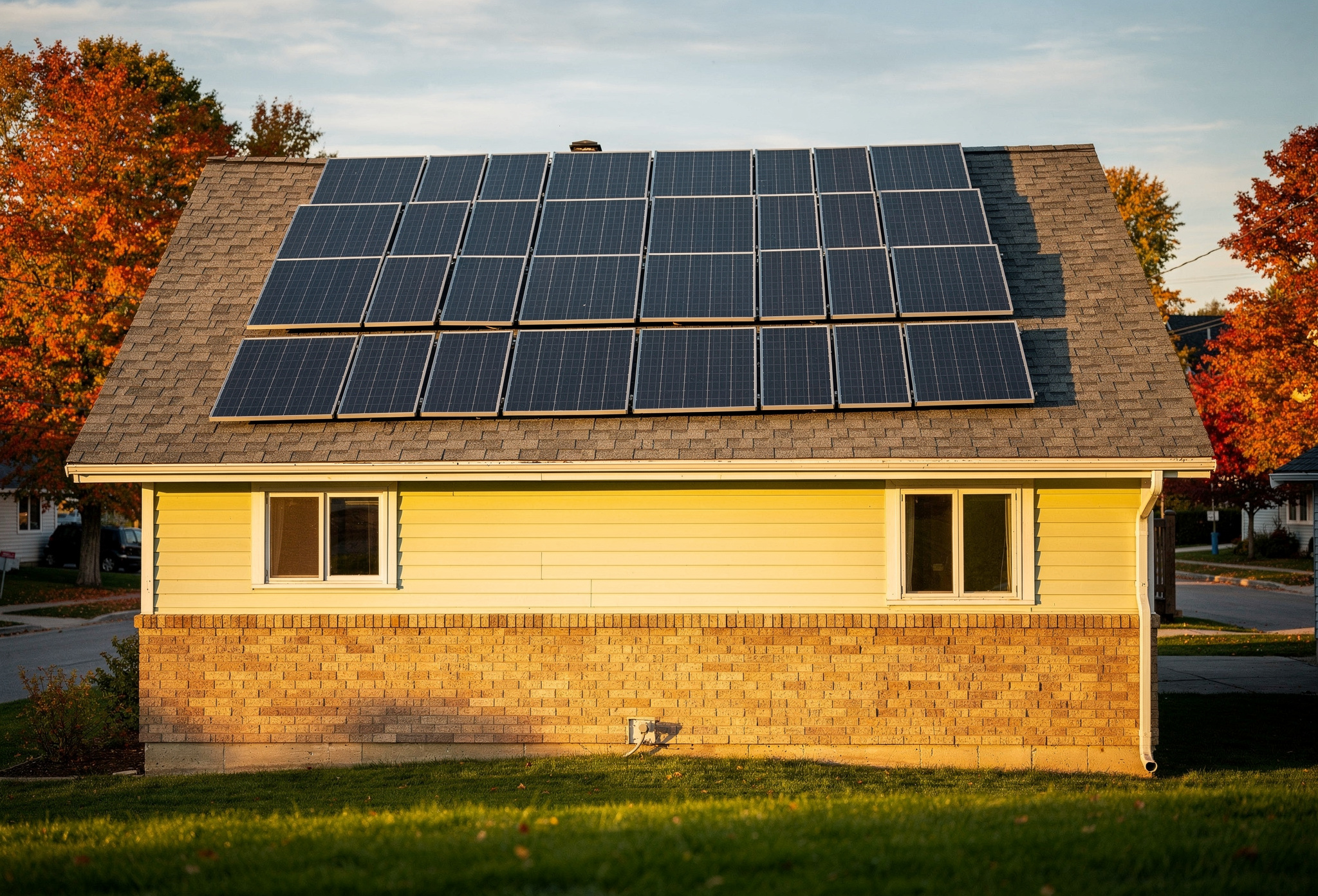
Why solar
For years, rooftop solar in Canada was treated as a fringe choice — something for early adopters with money to spare. That has changed quickly. Across Nova Scotia and the rest of the country, households are now installing panels not as a statement, but as a straightforward way to take control of a rising household expense.
Three forces are driving the shift at once. Electricity rates have climbed steadily, leaving families exposed to bills that grow year after year. At the same time, the cost of solar panels has fallen dramatically over the past decade, so a system that was once out of reach now pays for itself far sooner.
Government support has tipped the balance further. Federal and provincial incentives — from the Canada Greener Homes initiative to local utility rebates — now cover a meaningful share of installation costs, and interest-free financing options remove much of the upfront barrier.
Layered on top is a quiet but real change in attitude. More homeowners want to shrink their carbon footprint and gain a measure of energy independence, and modern panels perform reliably even through cold, snowy Canadian winters. Together, these factors have moved solar from niche to mainstream.
"On average, households that make the switch report cutting their annual electricity bill by roughly $1,000 to $1,300 in the first full year alone."

The upside
Generate your own power during daylight hours and watch your monthly electricity bill shrink from the very first cycle.
Every grid rate increase stings less when a growing share of your household power comes free from your own roof.
Homes with owned solar systems tend to sell for more and stand out to a growing pool of energy-conscious buyers.
A typical residential system offsets several tonnes of carbon emissions every single year of its working life.
The process
Four simple, no-pressure steps take you from curiosity to a connected solar system — with independent guidance at every stage.
Tell us about your home, roof and energy use in a few minutes. There is no cost and no obligation.
We model your regional sunlight and crunch the numbers, then send a plain-language report on your expected savings.
Compare fair quotes from multiple certified installers in our vetted network — no pushy sales calls.
Your chosen installer mounts the panels and handles the grid-connection paperwork, so you can switch on with confidence.
By the numbers
Figures are illustrative averages for informational purposes only and vary by location, property type and energy use.
Savings calculator
Adjust the three inputs below and we will model your potential savings using regional sunlight and electricity-rate data. No sign-up required.
Your estimate
Estimates assume a system sized to your usage, an electricity-price escalation of about 3% per year, and roughly 30% of system cost offset by available rebates. Actual figures depend on your property, installer quotes and program eligibility.
Incentives
A federal initiative offering grants toward eligible home energy retrofits, including rooftop solar, once a registered energy advisor completes a pre- and post-installation evaluation.
Many provinces and local utilities run their own solar or efficiency rebate programs that can stack with federal support. Amounts and eligibility differ widely from one region to the next.
Interest-free financing designed to remove the upfront barrier to home energy upgrades, letting homeowners spread the cost of a solar system over several years.
Note: rebate and incentive programs vary by province and change over time. Always confirm current eligibility and amounts with the relevant program before making a decision.
Financing
Cover the full cost of the system at installation and own it outright from day one.
Spread the cost over time through a dedicated solar or home-improvement loan from a lender.
Use programs such as the Greener Homes Loan to finance the system with no interest over the term.
Side by side
| Factor | Grid-only electricity | Solar plus grid |
|---|---|---|
| Monthly cost trend | Rises with consumption and rate changes | Lower and more predictable after install |
| Exposure to rate hikes | Full exposure to every increase | Largely insulated for self-generated power |
| Carbon footprint | Tied to your provincial grid mix | Reduced by clean on-site generation |
| Property value impact | Neutral | Often increased with an owned system |
| 25-year total estimated cost | Higher and uncertain over time | Lower net cost once the system is paid off |
Comparison is illustrative and depends on your usage, location, system size and the financing option you choose.
In the field
A look at rooftop systems from across the GreenBridge installer network — different home types, seasons and roof styles. Select any photo to view it larger.
Before & after
The same Halifax bungalow roof, photographed from the same angle before and after a full GreenBridge-network installation.
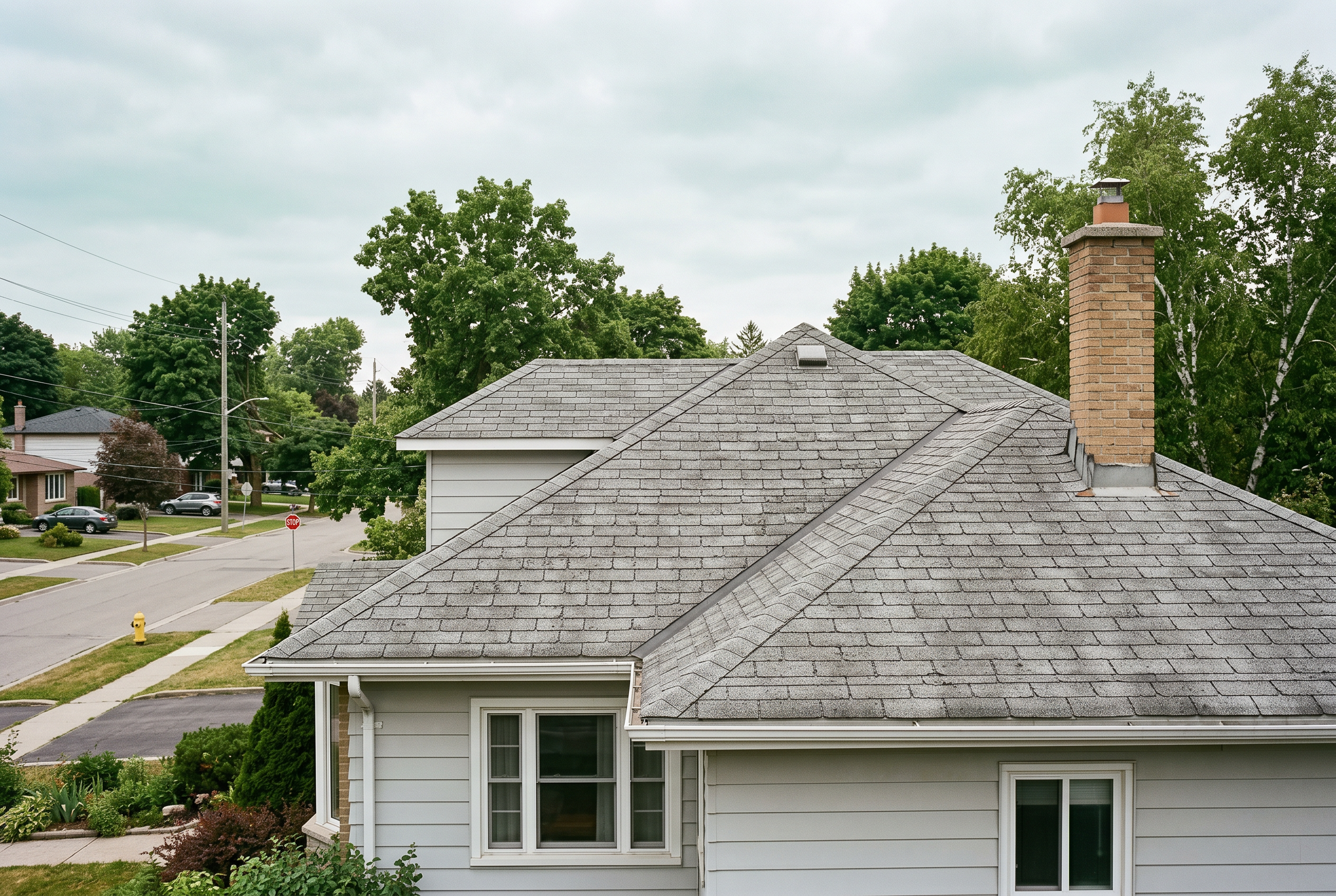
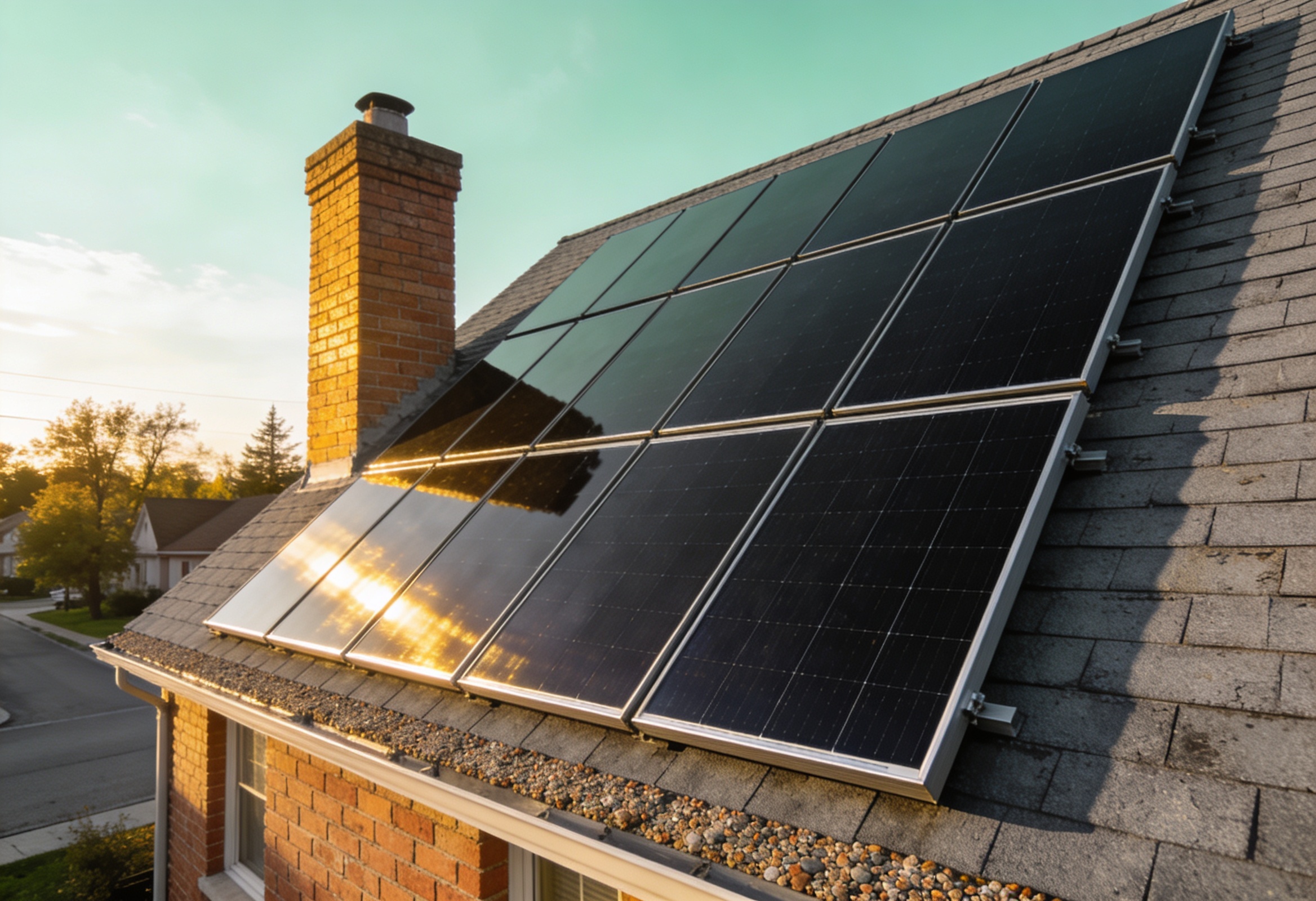
After switching, this household reduced its annual electricity bill by an estimated $1,200 — turning an unused roof into a quarter-century of generation.
From the desk
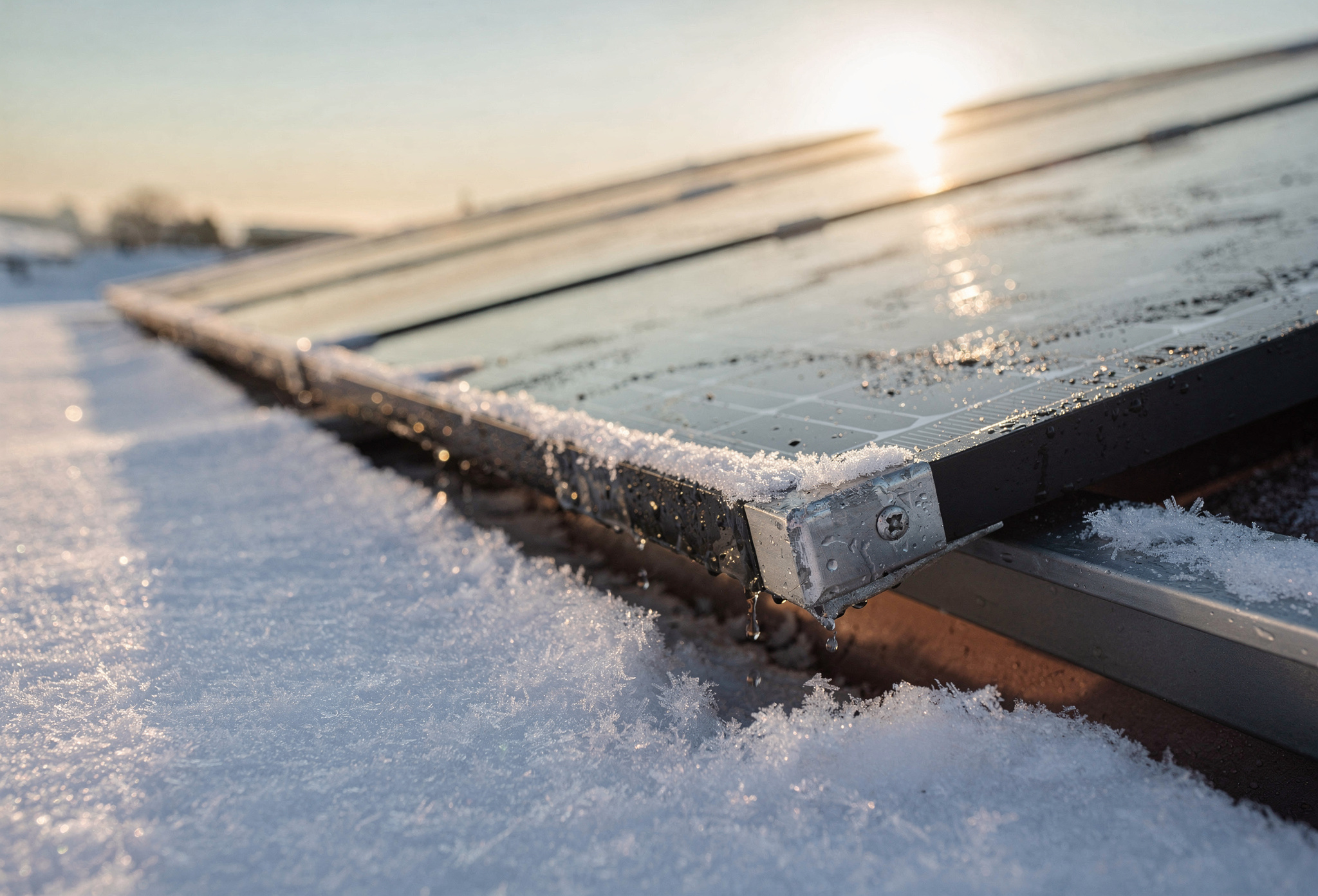
It is the question almost every homeowner asks first: do panels really work when the temperature drops and the snow piles up? The short answer is yes, and often better than people expect. Solar cells convert light, not heat, into electricity, and they actually operate more efficiently in cold, clear conditions than in summer haze.
The real seasonal variables are daylight hours and snow cover. Winter days are shorter, so total production naturally dips in December and January. Snow, however, tends to slide off the smooth, angled glass surface quickly, and even a thin layer lets light through. The bright, reflective snowscape can give a modest production boost once panels are clear.
This is why GreenBridge reports always model performance across the full year rather than a single season. The strong spring and summer yield more than compensates for the quieter winter months, so your annual savings estimate already reflects the Canadian climate from the outset.
Panel data sheets are full of numbers, but a few matter most. Efficiency describes how much of the sunlight hitting a panel becomes usable electricity. Most quality residential monocrystalline panels today sit in the low-to-mid twenties as a percentage — and a higher figure means more power from the same roof area.
Monocrystalline cells are cut from a single, pure silicon crystal, which is why they appear a uniform dark blue-black and why they generally outperform older polycrystalline designs, especially in lower light. For a Canadian home with limited south-facing roof space, that extra density can be the difference between covering your usage and falling short.
Two other specs are worth a glance: the temperature coefficient, which tells you how performance holds up as panels heat in summer, and the product and performance warranties, which signal how long the manufacturer expects strong output to last. GreenBridge translates these specs into plain language so you can compare quotes on more than just price.
Stories
"GreenBridge laid everything out in plain English. We compared three quotes without a single pushy phone call, and our first winter bill was the lowest we have ever had."
"I was sceptical panels would do much this far north. The savings report was spot on, and the payback math finally made sense for our bungalow."
"The free assessment took ten minutes and there was no obligation. Having an independent advisor instead of a salesperson made all the difference."
Questions
Yes. Solar cells convert light rather than heat, so they run efficiently in the cold. The main seasonal factors are shorter daylight hours and snow, which usually slides off the smooth, angled glass quickly. Production dips in deep winter but rebounds strongly in spring and summer, and annual estimates already account for that swing.
Most modern Canadian roofs in good condition can carry a residential system. As part of the process, a certified installer inspects your roof's structure, age and orientation before any work begins, and will flag if repairs are needed first.
Payback depends on your bill, province and rebates, but many homeowners see it in roughly 8 to 12 years, after which the electricity is essentially free for the remaining life of the panels. The savings calculator above gives an estimate tailored to your home.
A standard grid-tied system shuts off during an outage to protect utility crews working on the lines. If keeping power during outages matters to you, your installer can discuss adding battery storage, which holds excess daytime energy for use when the grid is down.
Your system links to your home's electrical panel and the local utility grid through an inverter and a net-metering or interconnection agreement. Your installer handles the application and paperwork, so any surplus energy can flow back to the grid.
No. Rebate and grant programs have eligibility rules, budgets and end dates that change over time. We help you understand which programs may apply to your situation, but final approval always rests with the program administrator.
What to expect
Day 1
You complete the quick online assessment about your home and energy use — it takes about ten minutes.
Within 2-3 days
We model your regional sunlight and send a personalised, plain-language report on your expected savings.
Week 1-2
You receive and compare fair quotes from multiple certified installers in our vetted network.
Week 4-8
Your chosen installer mounts the system, typically completing the work in one to two days.
Week 6-10
Final inspection, utility interconnection and switch-on — your system starts generating clean power.
Credentials
Every installer in the GreenBridge network is vetted against recognised industry standards, so the work on your roof is done safely and to code.
All electrical work is carried out by provincially licensed contractors authorised to perform residential installations.
Installers hold recognised solar certifications, demonstrating tested expertise in photovoltaic design and installation.
Crews are trained and approved by panel manufacturers, which helps keep product warranties valid after installation.
Systems use panels and components certified to Canadian Standards Association requirements for safe grid connection.
Stay informed
Get occasional updates when incentive programs change, plus seasonal solar tips for Canadian homes. No spam — unsubscribe anytime.
Get started
Tell us a little about your home and we will prepare a personalised savings estimate. Prefer email? Reach us directly at info@greenbridgeca.com.